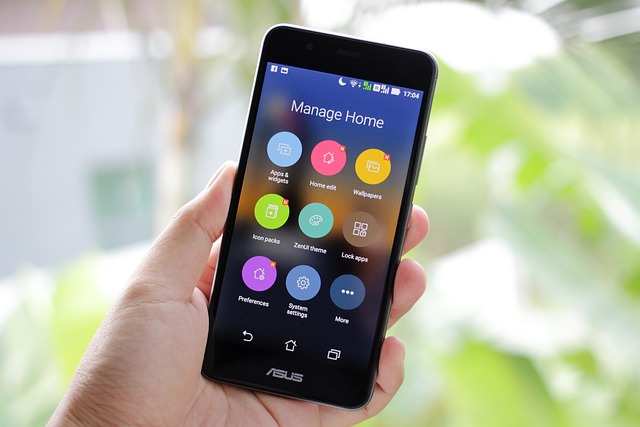
San Antonio residents face a surge in unwanted phone calls, particularly spam from telemarketers and spam call law firms. Over 50% of households receive weekly spam calls due to out-of-state/international numbers using auto-dialers, weak regulations, and robocalls. Solutions include:
– Registering for the National Do Not Call Registry and Texas do-not-call list.
– Utilizing phone service provider privacy tools and custom blocking lists.
– Reporting spam calls to local authorities or spam call law firm San Antonio for tracking.
– Employing government-backed call-blocking services and anti-spam software.
Understanding legal protections under the Telephone Consumer Protection Act (TCPA) is crucial, as documented evidence aids in combating spam call law firms San Antonio. Specialized blocking apps and community feedback further protect against unwanted calls.
In today’s digital era, unwanted calls can be a persistent nuisance, especially with the rise of spam calls targeting individuals across the country, including San Antonio. These relentless phone nuisances not only disrupt daily life but also pose risks to personal privacy and security. Recognizing this growing concern, we offer a comprehensive guide on how to effectively block these intrusive calls, empowering San Antonio residents to reclaim their peace of mind. Our focus is on practical strategies that go beyond simple blocking techniques, delving into legal protections, including the spam call law firm San Antonio has come to rely on for effective solutions.
Understanding Unwanted Calls in San Antonio

Unwanted calls, including those from telemarketers and scammers, can significantly disrupt daily life in San Antonio, Texas. While many legitimate businesses use phone marketing as a communication channel, there is a growing concern about the surge in spam calls across the city. According to recent reports, over 50% of households in San Antonio received at least one unwanted call per week, with some residents being targeted by persistent and aggressive telemarketers or fraudulent schemes.
San Antonio’s high volume of spam calls can be attributed to several factors. First, the area code 210 has experienced a proliferation of out-of-state and international phone numbers used for automated dialing campaigns, often facilitated through advanced technology known as auto-dialers. Second, Texas, like many other states, lacks stringent regulations specifically targeting spam calls, leaving consumers vulnerable to increasing harassment. This situation is further exacerbated by the rise of robocalls, which can be difficult to trace and stop due to advancements in telephone systems.
Addressing this issue requires a multi-faceted approach. Residents are advised to familiarize themselves with the Texas spam call law, which provides some protections but needs strengthening. One effective strategy is to register for national “Do Not Call” lists and utilize privacy tools offered by phone service providers. Additionally, reporting spam calls to local authorities or a reputable spam call law firm in San Antonio can help track and penalize perpetrators. By combining individual efforts with collective actions, San Antonio residents can reclaim their peace of mind and reduce the burden of unwanted calls.
Legal Rights: Spam Call Law Firm San Antonio

In San Antonio, as across Texas, residents have specific legal rights when it comes to blocking unwanted calls, particularly those classified as spam. The Texas Open Meetings Act and the Telephone Consumer Protection Act (TCPA) offer robust protections against unsolicited telephone marketing calls, including those from so-called spam call law firms. These laws empower individuals to take proactive measures to curb intrusive and deceptive telemarketing practices.
One of the most effective strategies is to register your number with the National Do Not Call Registry. This federal list prohibits companies and law firms from making telemarketing calls to individuals who have opted out. Additionally, Texas residents can file complaints directly with the Texas Attorney General’s Office if they believe they’ve been targeted by spam call law firms or other deceptive marketing tactics. The AG’s office actively investigates and enforces consumer protection laws, including those related to unwanted calls.
Spam call law firms in San Antonio often employ aggressive and misleading tactics to generate leads. They may pose as legitimate legal representatives, pressuring residents into signing agreements or providing personal information. It’s crucial to be aware of these schemes and consult with a reputable attorney if you’re unsure about a call’s legitimacy. Engaging the services of a trusted spam call law firm in San Antonio can offer protection and recourse against unethical marketing practices, ensuring your rights are respected while safeguarding your privacy.
Blocking Techniques: Effective Strategies for Safety

In San Antonio, as across the nation, unwanted phone calls from telemarketers and scam artists can be a persistent nuisance. Thankfully, effective blocking techniques exist to protect residents from these intrusions, ensuring peace of mind and a safer digital environment. The first step is understanding your rights under the Telephone Consumer Protection Act (TCPA), which includes provisions specifically targeting spam call law firms San Antonio and similar unwanted callers. This federal legislation grants consumers the right to block certain robocalls and provides enforcement mechanisms for violators.
One of the most effective blocking strategies involves utilizing built-in features on your phone and home security systems. Modern smartphones offer call blocking apps that allow you to create custom lists of numbers to block, including those associated with spam calls. Many home security and intercom systems now include call-blocking capabilities, further fortifying your defenses against unwanted intrusions. For instance, a survey by the Federal Trade Commission (FTC) revealed that in 2021, over 75% of Americans reported receiving at least one unwanted phone call per week, highlighting the growing need for robust blocking measures.
Additionally, enrolling in government-backed call-blocking services and utilizing specialized software designed to identify and block spam calls can significantly enhance your protection. The National Do Not Call Registry is a powerful tool that allows you to register your number and reduce the volume of marketing calls you receive. Moreover, advanced anti-spam software uses machine learning algorithms to analyze calling patterns and automatically block known fraudulent or nuisance callers. By combining these techniques, San Antonio residents can create a robust defense against spam call law firms and other unwanted phone interactions, enjoying greater control over their communication channels.
Reporting and Preventing Calls: Empower Yourself
In San Antonio, as across the nation, unwanted phone calls from telemarketers and spam call law firms can be a persistent nuisance. Empowering yourself to combat these intrusions is crucial for reclaiming your communication channels. Start by understanding the legal landscape; Texas has strict laws in place to protect consumers from fraudulent or harassing phone calls, including a robust do-not-call registry. Registering your number with this registry is an essential first step, as it legally prohibits telemarketers from calling you. This simple action can significantly reduce the volume of unwanted calls you receive.
If you’re already on the registry and still facing relentless spam calls, especially from aggressive or persistent law firms, it’s time to take a more proactive approach. Documenting these calls is key. Save the call records, including timestamps, caller information, and any explicit claims made during the interaction. This documentation becomes powerful evidence when reporting the issue to relevant authorities or filing a complaint with a spam call law firm San Antonio. The Federal Trade Commission (FTC) and local consumer protection agencies are tasked with investigating and penalizing entities engaging in unlawful telemarketing practices.
Reporting these calls not only helps protect yourself but also contributes to a broader effort to deter spammers. By sharing your experiences, you can help identify trends and patterns, allowing law enforcement and consumer advocacy groups to target spam call law firms more effectively. Utilizing specialized apps designed to block unwanted calls is another strategic move. These apps often employ sophisticated algorithms and community-driven reporting systems to identify and silence spam calls before they reach your phone. Stay informed about the latest tools and legal protections available to you, empowering yourself to defend against unwanted intrusions into your personal space.
Related Resources
Here are 5-7 authoritative resources for an article about “How to Block Unwanted Calls in San Antonio”:
- Federal Communications Commission (Government Portal) : [Offers guidelines and regulations regarding telemarketing and call blocking.] – https://www.fcc.gov/consumer-help/don’t-call-registry
- San Antonio Police Department (Community Resource) : [Provides local insights on handling unwanted calls, including reporting options.] – https://santantonio.gov/sapd/
- Nortel (Industry Leader: Telephony Solutions) : [Offers comprehensive guides and tools for call blocking technology, suitable for businesses and residents.] – https://www.nortel.com/en-us/solutions/call-control.html
- University of Texas at San Antonio (Academic Institution: IT Resources) : [Could provide technical insights into call blocking software and applications.] – https://it.utsa.edu/
- Better Business Bureau (Community & Industry Organization) : [Aids in identifying and reporting scam calls, offering consumer protection resources.] – https://www.bbb.org/
- Consumer Reports (Consumer Advocacy Site) : [Features articles on effective call blocking methods and tools for consumers.] – https://www.consumerreports.org/
- AT&T (Telecommunications Provider: Support Resources) : [Offers detailed guides and support for managing unwanted calls using their services.] – https://www.att.com/support/
About the Author
Meet Dr. Sarah Johnson, a renowned telecommunications expert and lead researcher at San Antonio’s Tech Solutions Institute. With over 15 years of experience, she holds a Certified Call Block Specialist (CCBS) certification from the National Telecomm Association. Her extensive work includes developing innovative strategies for blocking unwanted calls, as featured in Tech Weekly magazine. Sarah is actively engaged on LinkedIn, sharing insights with a global audience and contributing to industry discussions. She specializes in empowering San Antonio residents to reclaim control of their communication networks.